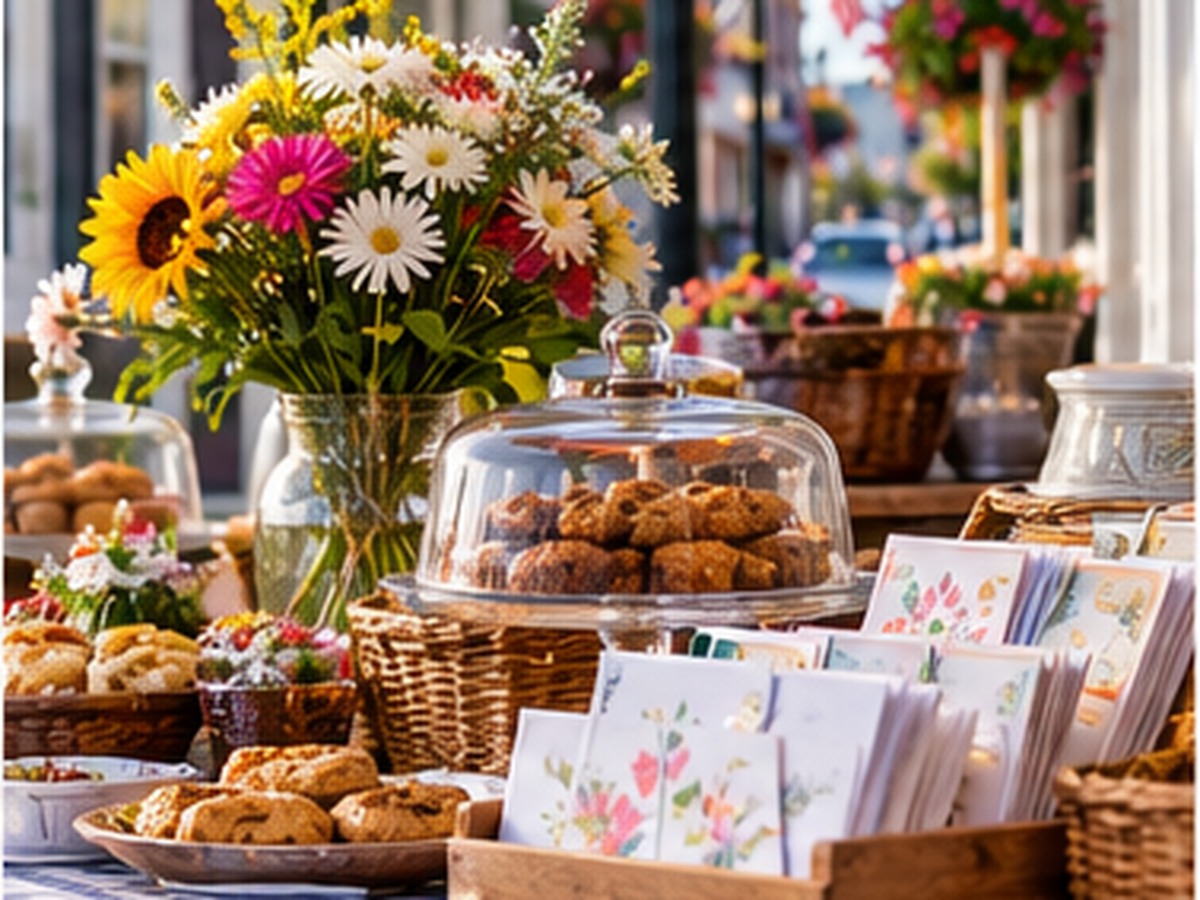
Every community has its familiar faces: the people who know where the folding tables are stored, which volunteer brings extra tape, and how many chairs fit in the church hall. Those people are a gift. But the true test of a welcoming gathering may be what happens when someone walks through the door for the first time.
A newcomer might be a family that recently moved to town, a grandparent visiting relatives, a young adult attending alone, or a neighbor who has lived nearby for years but never quite found a way in. They may not know the customs or recognize a single name. A friendly sign helps, but a friendly person makes the difference.
Hospitality is often practical
Imagine a community potluck, school fundraiser, church meal, or neighborhood craft fair. The most useful welcome may be surprisingly ordinary: someone pointing out the restrooms, explaining where to put a dish, offering a seat, or introducing a new visitor to another person. When people know what to expect, they can relax enough to enjoy themselves.
Organizers can make that easier by providing clear information before the event. Is it free? Are children welcome? Is the building accessible? Do guests need to bring anything? Can someone attend without knowing anyone? The answers do not have to be fancy; they simply need to be easy to find.
Give people more than one way to belong
Not everyone can donate money or commit to a weekly volunteer shift. A single parent may be able to help for thirty minutes. A retired neighbor might prefer a seated task. A teenager could create signs or help carry supplies. Someone who is shy may be wonderful at setting up quietly before the crowd arrives.
When community work offers several ways to participate, it becomes more inclusive. People are more likely to return when they can contribute without having to explain every limit on their time or energy.
Celebrate the people behind the scenes
A gathering does not run on good intentions alone. Someone opens the building, cleans the tables, checks on safety, answers questions, and stays late to put everything away. Thanking these people by name, with their permission, reminds everyone that community is something people make together.
It is equally important to support the local businesses and organizations that provide space, supplies, or services. A thank-you note, a thoughtful recommendation, or an honest review can be a meaningful way to acknowledge their contribution. Keep any fundraising or sponsorship disclosures clear.
Leave the door open after the event
A truly welcoming table does not end when the last plate is cleared. Share how newcomers can hear about the next gathering. Invite feedback without defensiveness. If someone seemed left out, use that observation to improve the next event rather than assuming they did not want to join.
Small towns and large neighborhoods alike can become places of belonging through repeated, unglamorous kindness. No one person can make everyone feel at home, but each of us can make one doorway a little easier to enter. Sometimes the most memorable part of an event is not the food, the decorations, or the program. It is the moment someone says, 'There is a place for you here.'